








Košík
Váš košík je momentálne prázdny.
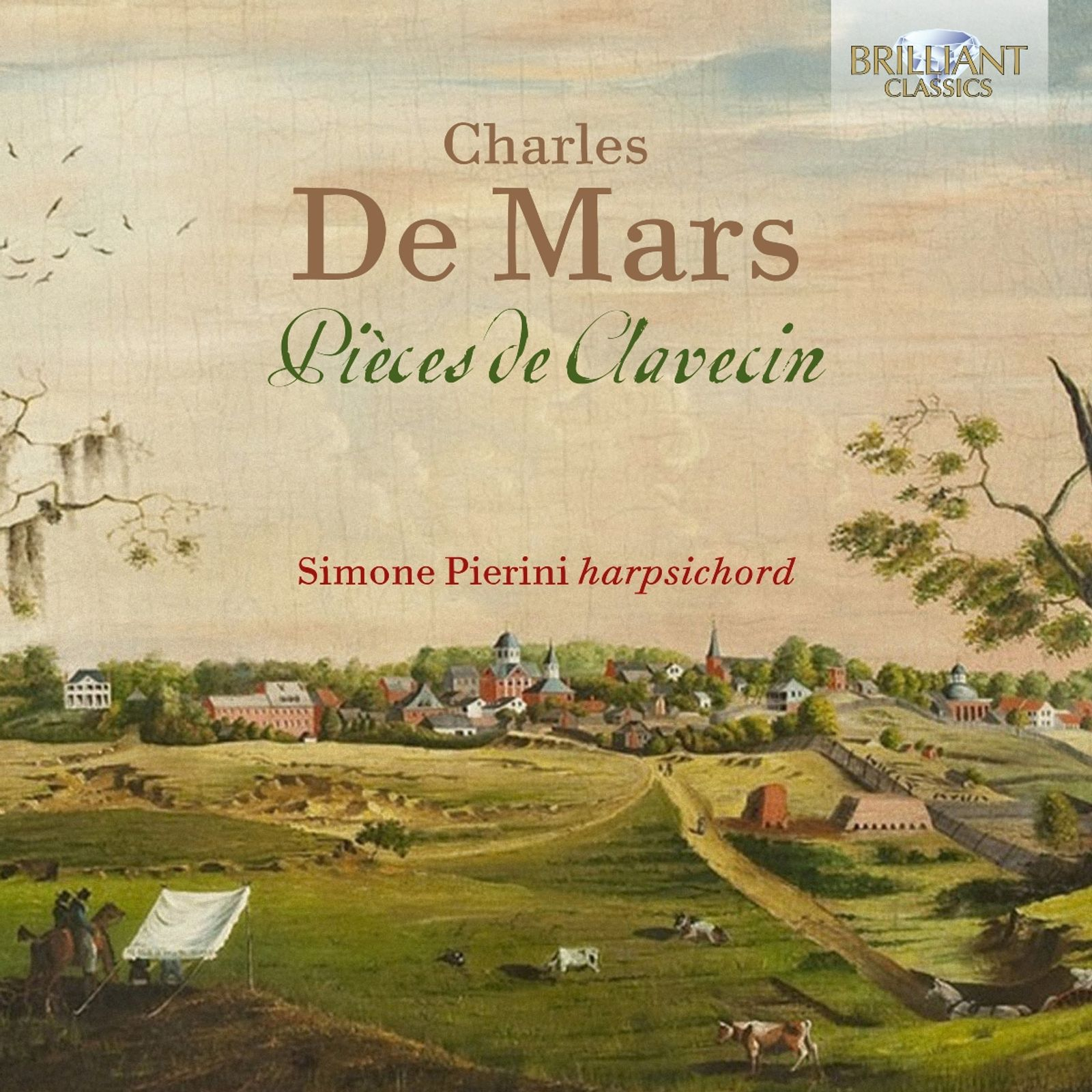
De Mars: Pieces de Clavecin
15,00 €
Formát:
CD
Dostupnosť:
na sklade / dostupné okamžite
Katalógové číslo:
96924
EAN kód:
5028421969244
Autori:
Charles De Mars
Interpreti:
Simone Pierini
Vydavateľ:
BRILLIANT CLASSICS
Zoznam skladieb
Dátum vydania: 11. 4. 2025Première suite in A Major
1 1. Prélude
2 2. Allemande
3 3. Courante
4 4. Rondeau
5 5. Vivement
Deusième suite in G Minor
6 1. Prélude: Légèrement
7 2. Allemande
8 3. Courante
9 4. Les Badinages - Rondeau
10 5. Sarabande
11 6. Gigue
Troisième suite in D Minor
12 1. Prélude
13 2. Allemande
14 3. Courante
15 4. Un peu vivement et très lié
16 5. Premier Air: Rondeau
17 6. Deuxième Air: Rondeau
18 7. Gigue
Quatrième suite in C Minor
19 1. Allemande
20 2. Courante
21 3. Air avec 4 doubles: Air
22 4. Air avec 4 doubles: Double Nr. 1
23 5. Air avec 4 doubles: Double Nr. 2
24 6. Air avec 4 doubles: Double Nr. 3
25 7. Air avec 4 doubles: Double Nr. 4
26 8. Gigue (en Rondeau)
Popis
A new recording, unique in the catalogue, of the First (and only surviving) book of keyboard works by Charles De Mars (1702-1774).
Compared to many other composers of his era, we know a good deal about the life of de Mars (alternatively known as Demars), making it all the more surprising that the present collection represents all the music of his to have come down to us. He was born to a wax merchant in Sézanne, a small town on the border between the French regions of Brie and Champagne. Several of his relatives were musicians, organists in particular, such as his two brothers. Indeed, we can trace more than 12 members of the De Mars/Tourneur dynasty as organists all over France. Again, the curiosity is that none of their compositions have survived, though they would have written music for their posts just as Charles de Mars did.
There is a Handelian flavour to the harmony of the four suites in De Mars’s volume, which was published in 1735 and therefore could conceivably have been written with awareness of the older composer’s Eight Great Suites for harpsichord. Many features of the volume make it a singular body of work in the French harpsichord tradition. De Mars eschews descriptive titles for individual movements, and occasionally prescribes the performer to play with ‘notes égales’, and therefore specifically not in the inégale style which we associate with French keyboard composers of the day.
As a specialist in this field of unfamiliar keyboard repertoire from the 17th and 18th centuries, with an impressive catalogue of Brilliant Classics albums already to his credit, Simone Pierini has explored the life and work of De Mars for himself, and produced an authoritative booklet essay to accompany his new recording of the Pièces de Clavecin. The Fanfare reviewer of his 3CD album of keyboard sonatas by Hélène de Montgeroult considered it ‘a major addition to the catalogue’, noting that Pierini ‘plays with tremendous energy and conviction.’
Prihlásenie
Newsletter


Copyright 2014-2026 © Hummel Music