








Košík
Váš košík je momentálne prázdny.
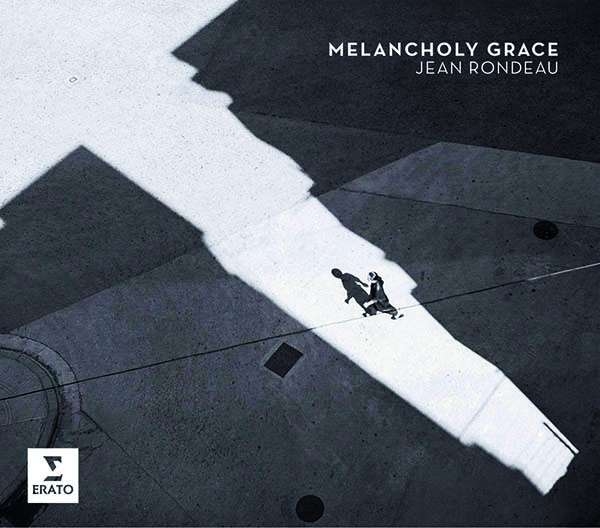
Jean Rondeau: Melancholy Grace
17,90 €
Formát:
CD
Dostupnosť:
dodacia doba 7-28 dní
EAN kód:
190295008994
Autori:
Antonio Valente, Bernardo Storace, Giovanni Picchi, Girolamo Frescobaldi, Gregorio Strozzi, Heinrich Scheidemann, Jan Pieterszoon Sweelinck, John Bull, Laurencinius di Roma, Luigi Rossi, Luzzasco Luzzaschi, Orlando Gibbons
Interpreti:
Jean Rondeau
Vydavateľ:
ERATO, WARNER CLASSICS
Zoznam skladieb
1 Girolamo Frescobaldi: Toccata Nr. 72 Laurencini da Roma: Fantaisie de Mr. de Lorency
3 Luigi Rossi: Passacaille del Seigr. Louigi
4 Gregorio Strozzi: Toccata per l'elevazione
5 Jan Pieterszoon Sweelinck: Fantasia cromatica
6 Giovanni Picchi: Ballo alla Polacha con il suo Saltarello
7 John Bull: Melancholy Pavan
8 John Bull: Melancholy Galliard
9 Heinrich Scheidemann: Pavana Lachrymae WV 106
10 Giovanni Picchi: Ballo alla Polacha (Alt. I)
11 Luzzasco Luzzaschi: Toccata im 4. Ton
12 Bernardo Storace: Recercar di Legature
13 Girolamo Frescobaldi: Toccata Nr. 4
14 Girolamo Frescobaldi: Toccata Nr. 1
15 Giovanni Picchi: Ballo alla Polacha (Alt. II)
16 Antonio Valente: Sortemeplus, con alcuni fioretti (Sortez mes pleurs)
17 Orlando Gibbons: Pavana FWV CCXCII
Popis
With Melancholy Grace, French harpsichordist Jean Rondeau explores poetic works for keyboard instruments from the 16th and 17th centuries. Rondeau conceived the album as a somber but eloquent dialogue between two distinct sound worlds: Melancholy, conveyed through chromaticism, and melancholy, conveyed through the musical expression of tears and weeping. Rondeau chose a different instrument for each world: a 16th-century Italian virginal for the "Tears" by the likes of Dowland, Bull, Gibbons and Valente, and a modern replica of an 18th-century harpsichord for the "chromatic" pieces by Frescobaldi, Rossi, Luzzaschi and Sweelinck. The album is given special appeal by the choice of instruments: The original virginal, made in Naples in 1527, is one of the oldest surviving keyboard instruments. Its sound has shown Rondeau new interpretative paths - for example, the proximity to the lute, which was also popular at the time. The plucked strings take on an almost vocal component under his hands - generally Rondeau's unmistakable trademark. His previous recordings of works by Bach, Scarlatti, Rameau and others already radiate an unmistakably sensual "sound." Now, with this album, Rondeau opens up a view of the vast panorama of the first harpsichord heyday - entirely in the light of the pensive, lonely lyrical self who revels in melancholy, a feeling into which a dash of sweetness is also mixed in the expressive works.Prihlásenie
Newsletter


Copyright 2014-2026 © Hummel Music